
Do Skylights Impact the Structure or Lifespan of a Roof?
Skylights, when installed on a residential roof, do moderately change how the roof functions and ages. They introduce openings, which can influence everything from water flow to insulation values. For houses in Le Roy, NY with varying seasons and occasional heavy snow loads, these factors deserve particular attention.
Installing a skylight means cutting through roofing materials and framing. This modification may slightly impact the bowl-like strength of a roof’s structure—especially if installed without strict adherence to best practices or local building codes. Professional installation generally includes reinforced framing around the opening, but older homes or do-it-yourself projects occasionally lack this step, creating weak spots.
Skylights don’t typically shorten the roof's life, but they do create points where leaks or drafts may begin. How well the installation is flashed, sealed, and insulated plays a far greater role in roof longevity than simply having a skylight.
Are Roof Leaks More Likely Around Skylights?
Yes, roof leaks often develop around skylights—especially in climates like Le Roy's that see freeze-thaw cycles, ice dams, and wind-driven rain. The reason is straightforward: penetrations are more vulnerable than unbroken roof areas.
Most common reasons for leaks near skylights include:
- Aged or cracked flashing (the metal barrier that directs water away)
- Failed sealant where the skylight meets the roof
- Clogged or inadequate drainage around the unit, causing water backup
Homeowners sometimes mistake condensation for leaks, especially during Le Roy's cold winters when warm interior air meets a cooler skylight pane. Properly installed modern units with effective flashing, regular inspection, and well-maintained seals significantly reduce leak risks.
Can Skylights Cause Energy Loss or Gain in Area Homes?
Skylights are potential sources of added heat loss in winter and heat gain in summer due to their placement and material. Le Roy’s seasonal swings make understanding this extremely practical.
Most units are made of glass or plastic, which do not insulate as well as a roof filled with solid insulation. Unless a skylight is double-glazed and specifically rated for energy efficiency, it’s possible to feel recurring drafts or temperature spikes near the opening.
Ways skylights can affect household energy use:
- Winter: Warm air inside commonly escapes through skylight frames if not well-sealed.
- Summer: Sunlight streaming in may significantly warm rooms—potentially raising cooling costs for south- or west-facing units.
- UV fading: Sunlight entering through skylights can fade furniture or flooring in rooms exposed to direct rays.
Energy-efficient models with low-E coatings and proper shades mitigate much of this impact, but original installations in older Le Roy homes may lack these upgrades.
Do Skylights Contribute to Ice Dams or Snow Issues?
In communities like Le Roy where snowy winters and freezing nights are common, skylights can sometimes worsen ice dam issues if not installed thoughtfully.
How this works:
- Warm air escaping through a poorly insulated skylight heats the surrounding roof, melting snow above it.
- Meltwater can run down the roof and refreeze at the eaves, forming an ice dam.
- This backup can force water under shingles both around the skylight and elsewhere.
Well-installed, insulated skylights should not pose this problem, but designs from past decades or worn seals can create localized weak points. Homeowners should pay special attention to any unusual melting patterns around skylights during Le Roy’s winter season.
What Maintenance Is Needed By Local Homeowners?
Routine skylight maintenance helps prevent the most common issues in area households, particularly leaks and drafts.
Recommended practices include:
- Visually inspect the skylight, frame, and flashing at least twice a year—ideally after heavy storms or freeze-thaw cycles.
- Seal or replace failing caulking or sealant as soon as it starts to crack.
- Clear debris like leaves or pine needles from the roof surrounding the skylight. Blockages can pool water and speed deterioration.
- During winter, safely remove snow accumulation from around skylights if accessible and without risk. Avoid chipping at ice, as this can damage both glass and roofing.
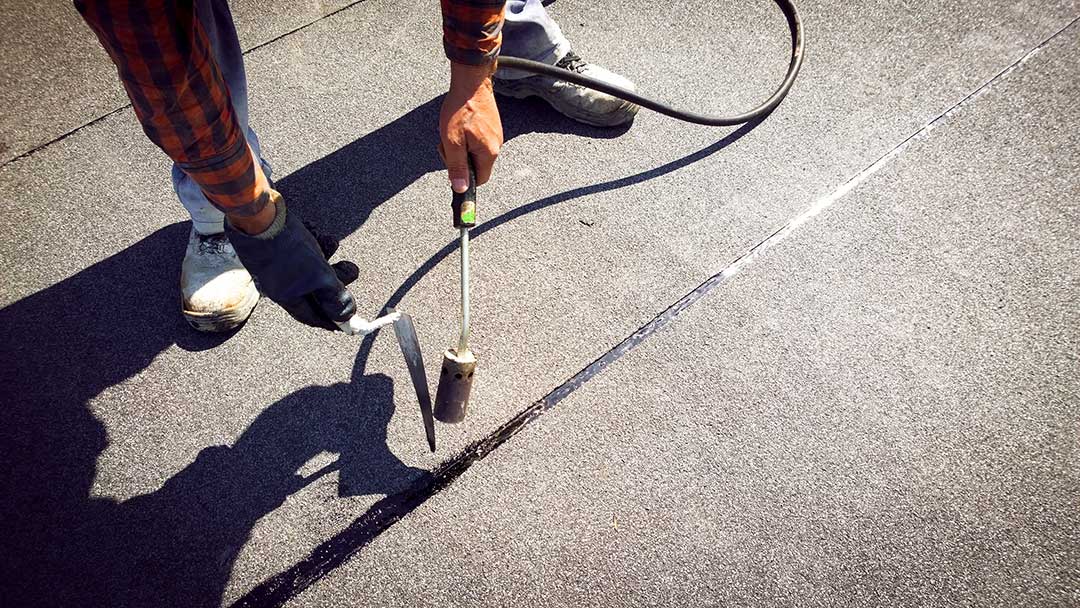
Do-it-yourself maintenance suits many common checks, but residents unsure about safety or unfamiliar with roof work should not climb onto the roof in icy or snowy conditions.
Can Skylights Affect Roof Ventilation or Moisture Control?
A properly installed skylight generally does not interfere with roof ventilation, but mistakes or design oversights can reduce its effectiveness. Since Le Roy homes often rely on passive attic ventilation to avoid moisture buildup, any alteration to the roof’s original vents or air pathways requires extra care.
Potential localized effects:
- Blocking or relocating roof vents to accommodate a new skylight can decrease attic airflow, increasing the risk of condensation in winter.
- Contrary to expectation, skylights themselves aren’t usually a major source of moisture problems if installed above the attic’s insulation layer—but flashing mistakes can still trigger issues.
A well-planned installation ensures that all preexisting roof vents and insulation are restored or rerouted appropriately.
Are There Code or Permit Considerations Unique to Le Roy?
Adding a skylight often requires approval through local permitting channels, since structural modifications may affect home safety, wind resistance, and snow load management.
Key points for residents:
- Area codes typically specify minimum distances between skylights and other roof features (like chimneys or vents).
- Emergency egress requirements, fire resistance, and impact strength may apply, depending on the skylight’s purpose and placement.
- Inspectors will check for proper flashing, insulation, and reinforcements—especially in homes with an older roofing deck or unusual truss designs.
Most importantly, code-compliant work helps ensure the house maintains its performance in wind, snow, and rain typical of the area.
What Should Residents Watch For After a Skylight Goes In?
Awareness makes a difference in long-term roof health. After installation, local homeowners should keep an eye on:
- Discoloration or stains in ceiling drywall around the skylight, a potential sign of leaks
- Unusual cold or hot drafts, which might mean a gap or failed seal has developed
- Unexplained moisture or visible frost on the glass in winter
If any of these signs appear, early attention can limit damage to both the skylight and the rest of the roof structure.
