
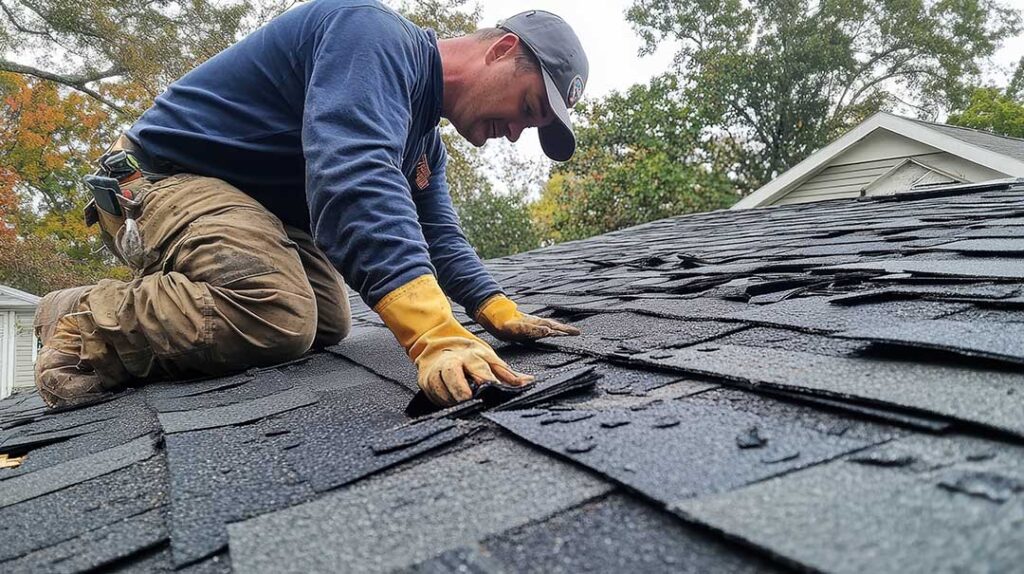
What Is Roof Underlayment and Why Does It Matter?
Roof underlayment is a protective layer installed between your roof deck and the shingles. Its main job is to create a barrier against water infiltration, providing backup protection in case the outer roofing layer becomes compromised. In Le Roy, where weather can shift quickly between snow, rain, and sunny stretches, this hidden component plays a critical role in keeping local homes dry and preventing costly interior damage.
Many residents overlook this layer, focusing mainly on shingle type or roof color. However, underlayment quietly supports the performance of your roofing system by reducing leaks, aiding ice dam prevention, and helping protect against wind-driven rain.
What Are the Main Types of Roof Underlayment Used in Le Roy, NY?
Most area homes rely on one of three common underlayment types: asphalt-saturated felt, synthetic sheet, or self-adhering membrane. Each has unique benefits and fits different roofing needs.
- Asphalt-Saturated Felt: Sometimes called "tar paper," this classic material has a sturdy, felt-like feel. It’s affordable and easy to work with, often used under asphalt shingles.
- Synthetic Underlayment: Made from woven or spun polymers, synthetic sheets are lighter, stronger, and often more water-resistant than felt. They’re common in newer homes, especially with more complex roof shapes.
- Self-Adhering Membrane (Ice & Water Shield): With a sticky backing and rubberized compound, this material clings tightly to roof decking and seals around fasteners. It’s especially valuable in regions like Le Roy for protecting vulnerable areas such as eaves, valleys, and around chimneys, where ice dams and standing water frequently form in winter and early spring.
Building codes in the city generally require specific types or additional underlayment protection in spots prone to ice damming. For homes with attics or low roof pitches, self-adhering membranes are often used in strategic areas.
How Does Local Climate Affect Underlayment Choice?
Freeze-thaw cycles, heavy snow, and sudden rain events all influence the right underlayment for Le Roy homes. The most frequent local threats are:
- Ice damming: Melting snow can refreeze at roof edges, forcing water backward under shingles. Extra waterproofing underlayment at eaves and valleys helps prevent leaks from this scenario.
- Wind-driven rain: Strong gusts can push moisture under loose or damaged shingles. A high-quality, fully intact underlayment layer often prevents this water from reaching roof decking.
- Humidity and condensation: In humid summers and cold winters, condensation can form on roof sheathing, particularly if attic ventilation is poor. A breathable underlayment can help reduce trapped moisture and prevent wood rot.
Homeowners sometimes ask if heavier underlayment is always better. In reality, the best type balances moisture control, durability, and fits local conditions—such as winter severity, roof slope, and ventilation.
Is Roof Underlayment Always Required?
For nearly every residential roof in Le Roy, building regulations mandate underlayment beneath shingles or other coverings. The only exceptions might be certain metal roofs or specialty systems, but even these usually include a barrier for code compliance and practical protection.
Skipping underlayment can lead to:
- Shortened roof lifespan
- Increased risk of leaks
- Voided manufacturer warranties for shingles
- Higher likelihood of mold or rot inside attic spaces
While some older homes may have only minimal or deteriorated underlayment, any new roofing project or major repair should include this layer to meet modern standards.
How Long Does Roof Underlayment Last?
The longevity of underlayment depends on material, installation quality, and exposure. For example:
- Felt underlayment may last 12–20 years under stable shingles but is vulnerable to tearing or drying out if exposed during repairs or by blown-off shingles.
- Synthetic underlayment can remain effective for 20–30 years, especially if kept fully covered and protected from sun.
- Self-adhering membranes are durable, often outlasting standard shingles in harsh spots like eaves.
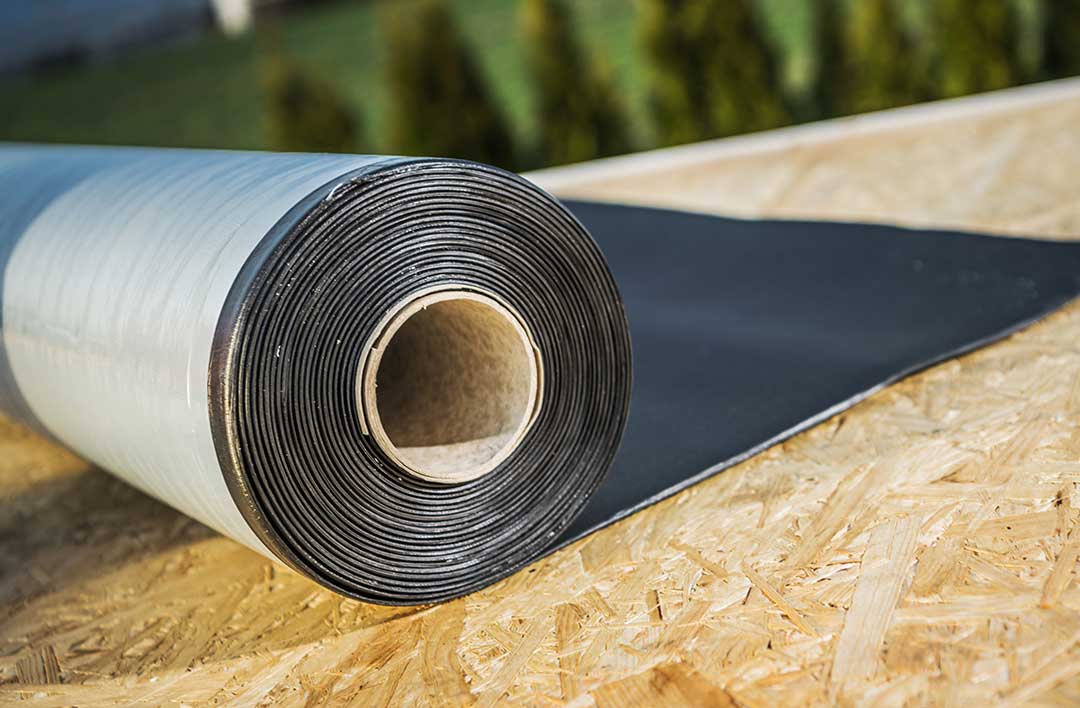
One common misconception is that underlayment never needs inspection. In reality, severe storms, windblown shingle loss, or animal damage can expose or degrade the barrier below, leading to rapid water entry if not addressed.
What Are Signs There Might Be Underlayment Problems?
Most trouble with underlayment is hidden from view, but residents may notice clues such as:
- Recurring roof leaks, especially near eaves, valleys, or skylights
- Stains or mildew patches in attic spaces
- Curling or missing shingles after storms
- Sudden increases in indoor humidity or mustiness
Promptly investigating these signs can help prevent further damage to roof decking or insulation.
Can Homeowners Replace or Install Underlayment Themselves?
Some area residents are comfortable tackling minor repairs, but replacing or installing underlayment typically requires lifting or removing existing shingles, proper sealing, and safe working practices. Errors—such as gaps, wrinkles, or improper overlaps—can compromise the whole system’s effectiveness.
Safety is especially important on steep roofs or in icy conditions. If roof surfaces are slippery or working close to edges, extra caution or seeking specialized help may be advisable to avoid injury.
How Can Residents Make Informed Decisions About Underlayment?
When maintaining or replacing a roof in Le Roy, it’s useful to:
- Review current building code requirements and local climate trends
- Choose underlayment compatible with both roofing material and expected weather patterns
- Inspect attics regularly for early signs of leaks or moisture
- Prioritize proper installation—whether doing the work or checking a contractor’s process—in order to ensure performance and extend roof life
Understanding the function and importance of underlayment helps local households maintain safe, dry homes throughout the changing seasons.
