
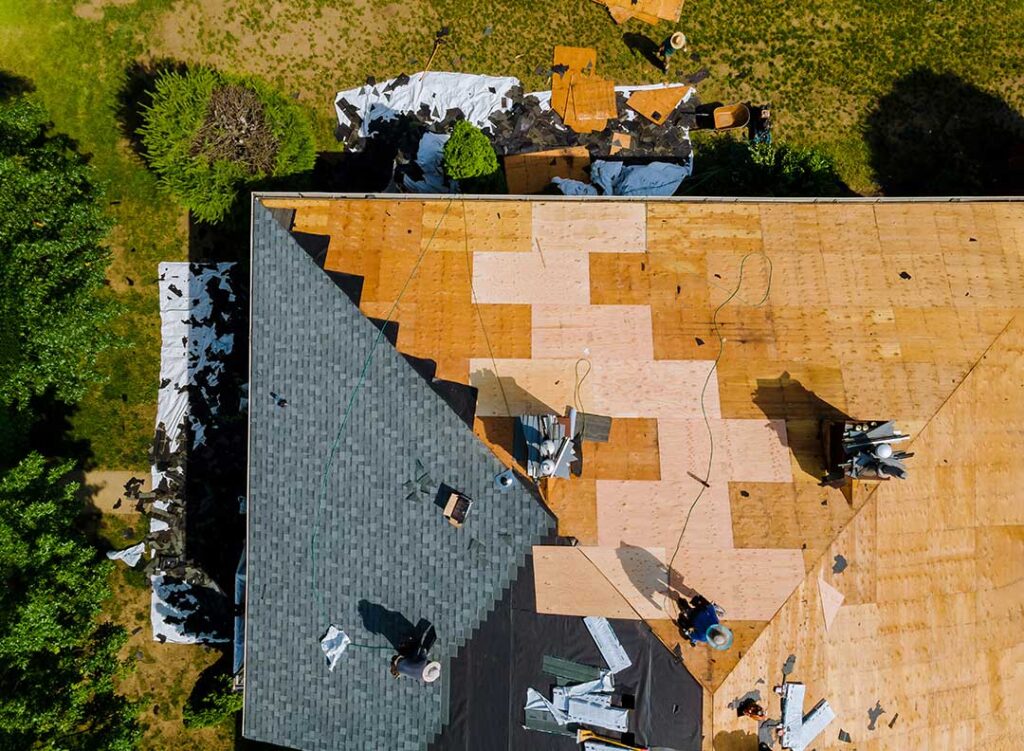
What should you do first after noticing roof damage?
Start with safety, then preserve evidence. Do not climb onto a wet, icy, steep, or visibly unstable roof. From the ground, look for missing shingles, lifted flashing, damaged vents, sagging areas, fallen branches, or pieces of roofing in the yard.
In Le Roy, NY, wind, heavy snow, ice, freeze-thaw cycles, and driving rain can all contribute to roof problems. Damage may not be obvious from the ground, so indoor signs matter as well. Check attics, ceilings, upper walls, and insulation for staining, dampness, dripping, or new drafts.
Before moving items or cleaning extensively, take photographs and video if conditions are safe. New York’s Department of Financial Services advises documenting damage before cleanup and keeping detailed records of communications with the insurer. ([dfs.ny.gov](https://www.dfs.ny.gov/consumers/disaster_flood?utm_source=openai))
If water is entering the home, place containers beneath leaks, move furniture and belongings away from the affected area, and use temporary measures to limit additional damage. Save receipts for emergency materials and services.
How should roof damage be photographed?
Use a combination of wide, medium, and close-up images. Each type serves a different purpose.
- Wide photographs: Show the entire side of the house, roof slope, detached structures, and surrounding conditions.
- Medium-distance photographs: Show the damaged roof section in relation to chimneys, vents, valleys, gutters, dormers, or other fixed features.
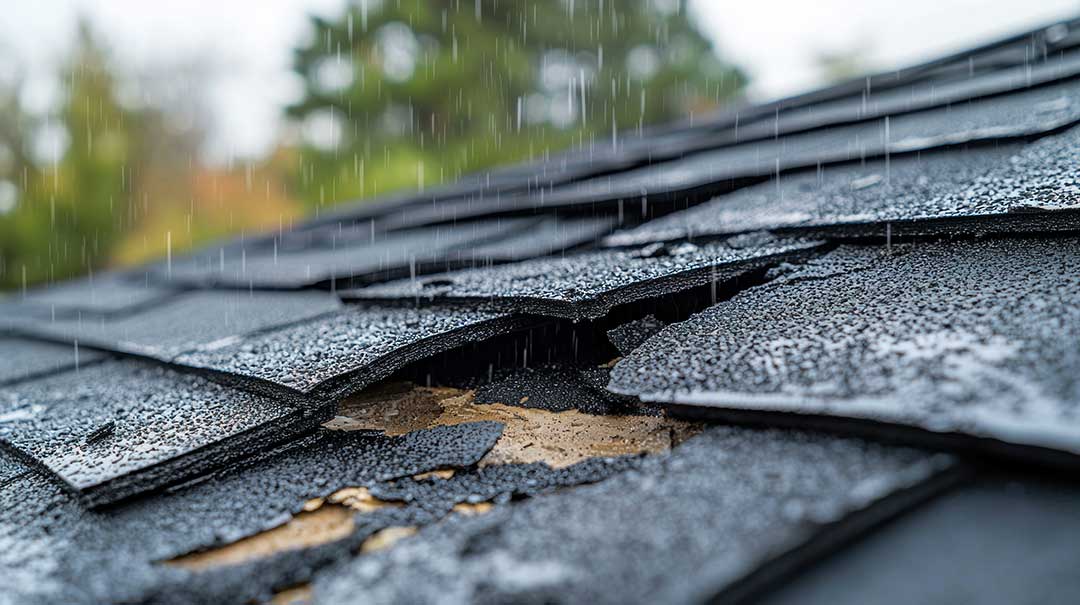
- Close-up photographs: Capture torn shingles, exposed underlayment, bent flashing, punctures, cracked seals, displaced ridge caps, or impact marks.
Take photographs from several angles because a single image may not show depth or location clearly. Include a familiar object for scale when it can be done safely, but do not place yourself beneath unstable roofing or climb a ladder solely to obtain a closer image.
Photograph related interior damage, including:
- Ceiling stains or bubbling paint
- Wet drywall or insulation
- Damaged flooring, furniture, or stored belongings
- Water around light fixtures or electrical outlets
- Mold-like growth that appeared after the event
- Damage to attic framing or roof decking, if visible without entering an unsafe area
Keep the original files rather than relying only on social-media or messaging-app copies. If possible, preserve the date and time information attached to the files.
What details should be written down?
Photos show conditions, but written notes explain what happened. Create a simple damage log with:
- The date and approximate time the damage was discovered
- The weather conditions observed before or during the event
- The location of each damaged area
- What was visible from the ground or inside the home
- When leaking or water intrusion began
- Temporary steps taken to protect the property
- Items that were moved, discarded, or damaged
- Names, dates, and times connected with insurance communications
Avoid guessing about the technical cause. A note such as “shingles were found in the yard after strong wind” is more reliable than stating that the wind definitely caused a particular failure. An adjuster or qualified inspector may later determine whether the damage resulted from wind, snow load, ice, age, installation issues, or another condition.
Weather records may also be useful. Save official alerts, local storm notices, or other reliable records showing the timing and type of weather. These records do not prove coverage by themselves, but they can help establish a timeline.
Should damaged materials be thrown away?
Usually, do not discard damaged roofing or property until the insurer has given instructions, unless leaving it in place creates a health or safety hazard. If removal is necessary, photograph it first and keep representative pieces when practical.
For example, if several shingles are removed to prevent further water entry, place them in a labeled bag or box. Record where they came from and the date they were removed. If wet drywall, insulation, or other materials must be discarded to prevent greater damage, photograph them in place and keep receipts for disposal or emergency work.
The New York Department of Financial Services has identified photographs, video recordings, receipts, material samples, and inventory lists as potentially useful proof-of-loss documentation. ([dfs.ny.gov](https://www.dfs.ny.gov/industry_guidance/circular_letters/cl2013_08?utm_source=openai))
What belongings should be included?
Roof leaks often damage more than the roofing system. Prepare a room-by-room list of affected possessions. Include the item description, approximate age, original cost if known, current condition, and an estimate of what it may cost to replace.
Useful supporting documents can include:
- Purchase receipts
- Credit-card or bank statements
- Original photographs
- Manuals or serial-number records
- Appraisals
- Warranty documents
- Repair or maintenance records
If an item is no longer available for inspection, photograph it before disposal whenever possible. For valuable belongings, describe the exact model, material, size, or distinguishing features rather than writing only “electronics” or “furniture.”
New York insurance guidance recommends maintaining an inventory and keeping receipts or other evidence of ownership and value. ([dfs.ny.gov](https://www.dfs.ny.gov/consumers/help_for_homeowners/storm_preparedness?utm_source=openai))
What should you ask the insurance company?
Notify the insurer promptly and ask what documentation is required under the policy. Policies differ in coverage, deductibles, exclusions, deadlines, and requirements for emergency repairs. The insurer may request a claim number, proof of loss, repair estimates, inventories, receipts, or additional photographs.
Ask specifically:
- What is the claim number?
- What deductible applies?
- Is there a separate windstorm or other weather-related deductible?
- Which temporary repairs are authorized?
- Should damaged materials be retained?
- Is an inspection scheduled?
- Are additional living expenses potentially available if part of the home cannot be used?
- What is the deadline for submitting documents?
A deductible is the portion of a covered loss that the policyholder pays before insurance contributes. Some New York policies include weather-related deductibles or special conditions, so the declarations page and policy wording should be reviewed rather than relying on general assumptions. ([dfs.ny.gov](https://www.dfs.ny.gov/consumers/help_for_homeowners/insurance/basic_coverage?utm_source=openai))
Keep a communication record with the date, representative’s name, subject discussed, and any promised follow-up. After important phone calls or inspections, a brief written summary can help prevent misunderstandings. New York’s Department of Financial Services specifically recommends recording conversations and following up in writing. ([dfs.ny.gov](https://www.dfs.ny.gov/consumers/disaster_flood?utm_source=openai))
What common documentation mistakes should be avoided?
The most common problems are incomplete photographs, missing receipts, premature disposal, and repairs that permanently conceal evidence before inspection.
Avoid:
- Photographing only the most dramatic damage
- Editing or filtering images
- Claiming that unrelated older damage came from the recent event
- Starting major replacement work without documenting existing conditions
- Failing to photograph water-damaged belongings
- Assuming a contractor’s opinion determines insurance coverage
- Signing documents without understanding what they authorize
- Relying on memory for dates, conversations, and expenses
Emergency work to prevent further damage can be reasonable, but permanent repairs should generally be coordinated with the insurer when possible. Coverage decisions depend on the policy and facts of the loss, not simply on the presence of a leak.
How should the records be stored?
Keep copies in at least two secure locations. A practical system includes one folder for photographs and video, one document for the timeline, one inventory spreadsheet, and one folder for receipts and correspondence.
Store digital copies away from the damaged property when possible. Use clear file names such as `2026-10-06_attic_ceiling_stain_1` and keep an untouched copy of the original files. A well-organized record makes it easier to answer questions consistently and identify missing information during the claims process.
