
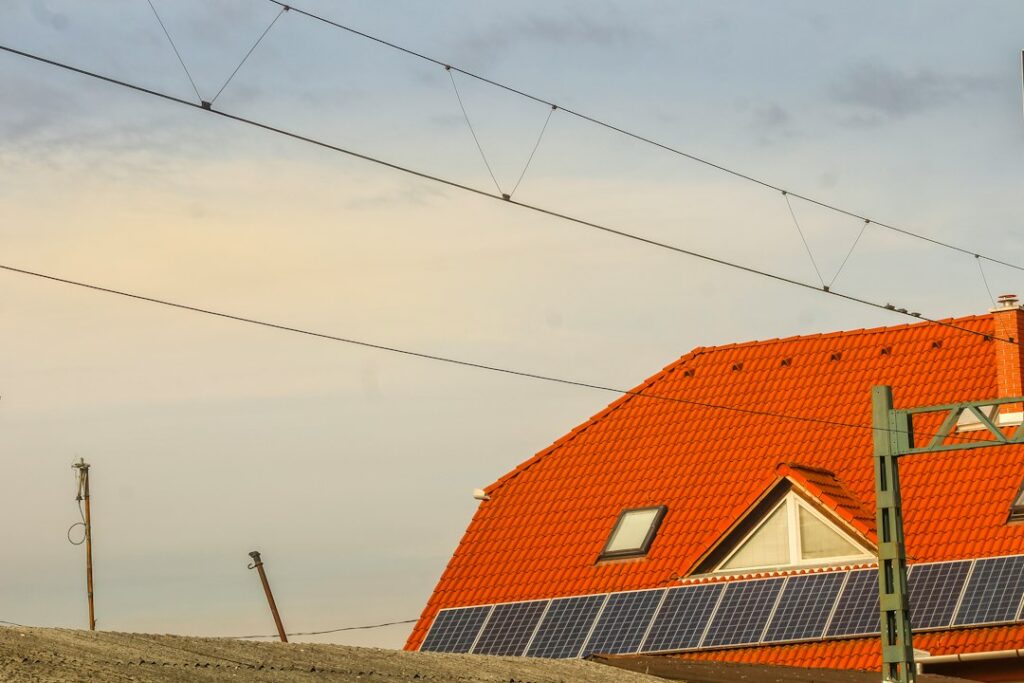
Solar panels can work well on many homes, but the roof should be evaluated before panels are designed into the project. In Le Roy, NY, that evaluation should account for roof age, winter snow and ice, wind exposure, roof slope, attic ventilation, and the practical difficulty of repairing a roof after panels are installed.
Is my roof suitable for solar panels?
A suitable roof is structurally sound, has enough remaining service life, receives adequate sunlight, and can accommodate the required equipment without creating drainage or access problems.
Solar panels are not exceptionally heavy on their own, but the combined weight of panels, mounting hardware, wiring, and accumulated snow must be considered. The roof framing, sheathing, rafters, trusses, and attachment points all matter. A roof that already has sagging, water damage, deteriorated decking, or weakened framing should not be covered until those issues are addressed.
Roof shape also affects solar design. Large, unobstructed roof sections are generally easier to use than roofs interrupted by dormers, chimneys, plumbing vents, skylights, or multiple ridges. Shade from nearby trees can reduce production, even when the roof appears to face the right direction.
Should the roof be replaced before installing panels?
If the roof is near the end of its expected service life, replacement before solar installation often makes more practical sense than installing panels first. Removing and reinstalling panels later adds labor, creates opportunities for damage, and may complicate warranties.
Warning signs that deserve attention before solar work include:
- Shingles that are curling, cracking, brittle, or missing
- Granule loss concentrated in gutters or at downspouts
- Water stains, damp insulation, or mold-like odors in the attic
- Soft decking or visible daylight through roof boards
- Repeated leaks around vents, chimneys, or roof valleys
- Sagging roof lines or damaged structural members
- Flashing that is loose, corroded, or improperly sealed
Roof age alone does not determine whether panels are appropriate. A well-maintained roof may have substantial life remaining, while a newer roof can still have installation defects or moisture problems. The useful question is whether the roof is likely to remain dependable for the expected life of the solar system.
How do snow and ice affect rooftop panels?
Snow usually slides or melts from panels more readily than it does from rough shingle surfaces, but panels do not eliminate winter roof concerns. Snow can accumulate around roof edges, valleys, dormers, and obstructions. Meltwater can refreeze where the roof is colder, increasing the possibility of ice dams.
Panel layout should leave appropriate drainage paths and should not direct runoff toward vulnerable roof areas, entrances, walkways, or lower roof sections. In areas that experience freezing temperatures, the design should also consider how snow shedding could affect people, vehicles, gutters, landscaping, and lower roofs.
Homeowners should not climb onto a snowy or icy roof to clear panels. Scraping can damage panel surfaces, wiring, flashing, and shingles. Snow removal is often unnecessary because sunlight and temperature changes help clear the panels, although unusually heavy accumulation or a safety concern may require a carefully planned response.
Will solar panels protect the roof?
Panels can shield portions of the roof from direct sunlight, rain, and some weathering. That does not mean the roof beneath them is permanently protected or that leaks cannot occur.
The most sensitive areas are usually the mounting points, flashing, cable penetrations, and transitions near ridges, valleys, chimneys, and roof edges. A properly planned system should preserve drainage and use attachment methods suited to the roof covering and structure.
Solar panels also make some roof areas less accessible for inspection. A small leak may travel beneath the panels before becoming visible inside the home. Periodic inspection of exposed roof areas, attic spaces, gutters, and visible wiring can help identify concerns earlier.
What happens if the roof needs repairs later?
Roof repairs beneath panels may require partial or complete removal of the affected equipment. Even a repair that appears small from the ground can involve flashing or shingles located under a panel array.
Before installation, it is useful to understand:
- Which roof areas will be covered
- How the panels and mounting rails can be removed
- Who is responsible for removal and reinstallation
- Whether roof and solar warranties remain valid after later work
- How replacement shingles or roofing materials will match existing materials
- Whether access paths remain available for future maintenance
Keeping installation records, roof photographs, product information, and layout drawings can make future repairs easier. A diagram showing panel locations, attachment points, wiring routes, and roof penetrations is especially valuable if ownership or service arrangements change.
Do solar panels require permits in New York?
Yes. Residential solar installations generally require building and electrical review under New York requirements, along with an inspection after construction. Local code officials administer the applicable state code and may also enforce local zoning or land-use rules.
Requirements can vary based on the property, the type of system, roof access, fire safety, electrical connections, and local procedures. Rooftop systems must also preserve required pathways and access areas for emergency response and maintenance.
Permit approval is not a substitute for checking the roof itself. A project can meet code requirements and still be a poor fit for a roof with advanced deterioration, inadequate drainage, or a short remaining service life.
How should attic ventilation be considered?
Solar installation should not block or damage roof ventilation. Ridge vents, soffit vents, gable vents, and other ventilation components help manage heat and moisture in the attic.
Mounting hardware and wiring should be planned around these features. Blocking ventilation can contribute to elevated attic temperatures, moisture accumulation, condensation, and premature roof deterioration. The attic should also be checked for signs of inadequate airflow, such as damp insulation, frost, staining, or persistent musty odors.
In older homes, especially those with additions or remodeled attic spaces, ventilation may not follow a simple pattern. A roof plan should account for the entire structure rather than only the main roof slope.

Is every sunny roof a good solar roof?
No. Sunlight is only one part of the decision. A roof may be sunny but unsuitable because it is shaded during key hours, too fragmented, structurally weak, heavily covered by vents, or likely to need replacement soon.
A practical evaluation considers:
- Roof orientation and slope
- Seasonal shade from trees and nearby structures
- Roof condition and remaining service life
- Structural capacity for equipment and snow
- Roof access and fire-safety pathways
- Electrical service and panel location
- Snow-shedding and ice-dam risks
- Future repair and replacement access
- Local permit and inspection requirements
For some homes, a ground-mounted system or a non-rooftop option may avoid roof-related complications. That choice depends on available land, shade, drainage, zoning, and the property’s overall layout.
What should homeowners ask before approving a design?
A useful discussion should go beyond expected energy production. Ask for a clear explanation of how the system will interact with the roof and how future maintenance will be handled.
Questions worth asking include:
- How were roof age and condition evaluated?
- What structural assumptions support the design?
- Where will the system attach to the roof framing?
- How will penetrations and flashing be detailed?
- Will snow or runoff be directed toward walkways or lower roofs?
- How will attic ventilation remain unobstructed?
- Which permits and inspections are required?
- What happens if the roof needs replacement later?
- What records will be provided after installation?
For households in Le Roy, winter conditions make these details more than technical paperwork. A solar array should be treated as part of the roof system, not as an independent accessory placed on top of it. Evaluating both systems together helps reduce avoidable leaks, access problems, and repair complications over the years.
