
Which roofing material is better for Le Roy, NY homes?
Neither asphalt shingles nor metal roofing is universally better. The right choice depends on the home’s roof design, expected service life, budget, appearance, maintenance needs, and tolerance for future replacement work.
For homes in Le Roy, NY, the roof must handle winter snow, freeze-thaw cycles, wind, heavy rain, summer heat, and occasional falling branches. Both materials can perform well when properly selected, installed, ventilated, and maintained. The differences are most noticeable in upfront cost, longevity, repair methods, and how each material responds to weather over time.
How do asphalt shingles and metal roofing differ?
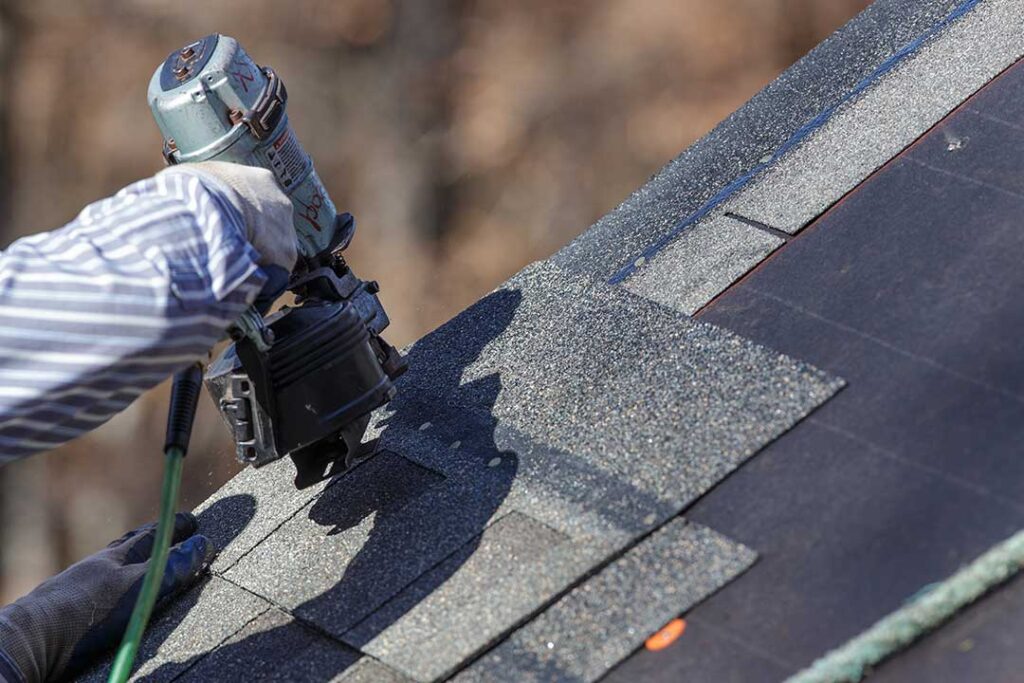
Asphalt shingles are layered roofing products made with a fiberglass base, asphalt coating, and protective mineral granules. They are available in many colors and profiles and are common on detached homes, additions, garages, and older housing.
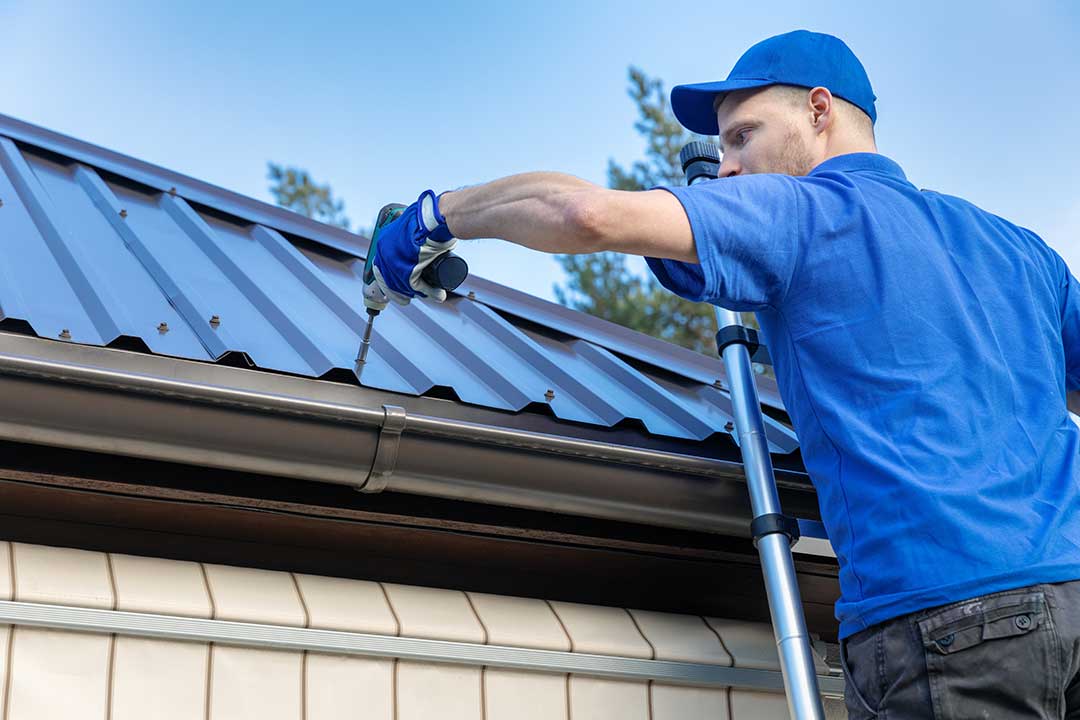
Metal roofing is made from steel, aluminum, or other metal alloys. Residential systems may use interlocking panels, exposed-fastener panels, or standing-seam panels. The surface may be coated with a baked-on finish designed to resist corrosion and fading.
The basic distinction is straightforward:
- Asphalt shingles generally cost less initially and are simpler to repair or replace in sections.
- Metal roofing generally lasts longer, weighs less, and offers strong resistance to moisture, wind, and repeated weather exposure.
- Both materials require proper underlayment, flashing, ventilation, and installation details to perform as expected.
The quality of the entire roofing system matters more than the surface material alone.
Which option lasts longer?
Metal roofing usually has the longer potential service life. Depending on the metal, coating, installation quality, roof slope, and exposure, a well-maintained system may remain serviceable for several decades.
Architectural asphalt shingles commonly have a shorter practical lifespan. Many remain functional for roughly 15 to 30 years, although severe weather, poor attic ventilation, algae or moss growth, installation defects, and repeated repairs can shorten that period.
Manufacturer ratings should not be treated as guaranteed service life. A shingle advertised with a long warranty may not last that long under every combination of heat, moisture, wind, and maintenance conditions. Warranties also commonly include installation requirements and exclusions.
For a household planning to remain in the same home for many years, the longer life of metal roofing may be attractive. For someone managing a limited budget or preparing a property for a shorter ownership period, asphalt shingles may be more practical.
How do they handle snow, ice, and freeze-thaw cycles?
Both materials can handle winter conditions when the roof is designed correctly. The greater concern is not simply the weight of snow but the way moisture moves, freezes, and refreezes around roof edges, valleys, chimneys, vents, and wall intersections.
Asphalt shingles provide a textured surface that can help resist sliding snow. However, heavy snow and ice can still stress gutters, flashing, and roof edges. Ice dams may form when heat escapes into a poorly insulated or poorly ventilated attic and melts snow above a colder roof edge. Changing the roofing material alone does not solve that problem.
Metal roofing sheds snow more readily because of its smooth surface. That can reduce the time snow remains on the roof, but it also creates a safety issue near entrances, walkways, porches, and lower roof sections. Snow guards or other snow-control features may be needed where sliding snow could injure someone or damage property.
Freeze-thaw conditions can expose weak flashing, cracked sealants, loose fasteners, and damaged underlayment. These details deserve attention regardless of the selected roof covering.
Is metal roofing noisier during rain?
Metal roofing can sound louder during rain or hail, especially when installed over open framing without a solid roof deck or adequate insulation. On a typical home with a roof deck, underlayment, attic insulation, and finished ceilings, the difference is often less dramatic than people expect.
Asphalt shingles generally produce less noticeable rain noise because their layered surface absorbs some sound. Interior noise, however, depends on attic construction, insulation levels, ceiling materials, and the intensity of the storm.
Noise is therefore a design and building-assembly question, not just a material question.
Which roof is easier to repair?
Asphalt shingles are usually easier to repair in small sections. Individual damaged shingles can often be replaced if matching material is available and the surrounding roof is still in reasonable condition. Repairs may become more visible as the roof ages because newer shingles can differ in color from weathered ones.
Metal repairs depend on the type of system and the source of the problem. A damaged panel, failed fastener, loose trim piece, or puncture may require careful work to maintain watertight connections. Matching an older finish can also be difficult.
Metal roofing does not eliminate maintenance. Fasteners, sealants, flashing, penetrations, and areas where dissimilar metals meet should be checked periodically. A metal panel that appears sound from the ground may still have a problem around a vent, chimney, skylight, or roof transition.
Which choice is more affordable?
Asphalt shingles usually have the lower initial cost. They are widely available, familiar to many installers, and compatible with common residential roof designs.
Metal roofing generally costs more at the start because of the material, fabrication, flashing details, and installation requirements. The long service life can improve its long-term value, but that depends on how long the roof remains in use and whether the system is installed correctly.
A fair comparison should include more than the first installation price:
- Expected service life
- Cost of future tear-off and disposal
- Frequency of repairs
- Energy performance
- Snow-management features
- Flashing and ventilation work
- Compatibility with the existing roof structure
- The likelihood of future additions, skylights, or other roof changes
The least expensive initial option may not be the least expensive over several decades, while the most durable option may not fit every household’s financial priorities.
Can either material improve energy efficiency?
Roofing material can influence heat gain, but attic insulation and ventilation usually have a greater effect on household comfort and energy use.
Light-colored or specially coated metal roofing may reflect more solar radiation than a dark roof surface. Asphalt shingles can also be manufactured with reflective granules and energy-conscious designs. Neither material should be viewed as a replacement for proper insulation, air sealing, and attic ventilation.
In a cold-climate home, uncontrolled air leakage from the living space into the attic can contribute to heat loss and winter roof problems. A roof replacement is an opportunity to inspect insulation levels, ventilation paths, soffit openings, ridge ventilation, and penetrations around pipes and electrical components.
Are there appearance or neighborhood considerations?
Asphalt shingles offer a familiar appearance and a broad range of colors and textures. They may blend easily with older homes and varied architectural styles.
Metal roofing can have a clean, traditional, or modern appearance depending on the panel profile and finish. Some systems resemble shingles or slate, while others have visible vertical seams. The appearance may be especially noticeable on homes with steep roof slopes, dormers, porches, or multiple roof sections.
Before selecting a color or profile, consider how it will look beside siding, masonry, trim, neighboring homes, and existing outbuildings. Dark surfaces may also show fading, pollen, dust, or snow contrast differently than lighter ones.
What should homeowners inspect before choosing?
The roof covering is only one part of the decision. A sound evaluation should consider:
- Roof age and the condition of the decking
- Sagging, uneven planes, or signs of structural movement
- Valleys, chimneys, skylights, vents, and wall intersections
- Attic moisture, insulation, and ventilation
- Gutter placement and areas where snow may slide
- Previous layers of roofing material
- Tree limbs that could strike the roof
- Local requirements affecting reroofing, structural work, or disposal
If the roof has active leakage, visible structural damage, exposed electrical components, or unsafe access conditions, inspection and repair involve genuine safety concerns. Walking on steep, icy, wet, or deteriorated roofing can result in serious injury.
For many households, the practical answer is simple: choose asphalt shingles when lower initial cost, familiar appearance, and straightforward repairs matter most. Choose metal roofing when longer service life, reduced replacement frequency, and strong weather resistance justify the greater initial investment. In either case, careful detailing and attic performance will have a major effect on the roof’s actual results.
