
Hanging seasonal lights can make a home welcoming, but roof work introduces real fall, electrical, and weather hazards. In Le Roy, NY, cold temperatures, snow, ice, wind, and wet roof surfaces can make even a short decorating task more dangerous than it appears.
The safest approach is to plan the lighting from the ground, avoid walking on the roof whenever possible, and use only equipment designed for outdoor use.
Is it safe to put lights directly on a roof?
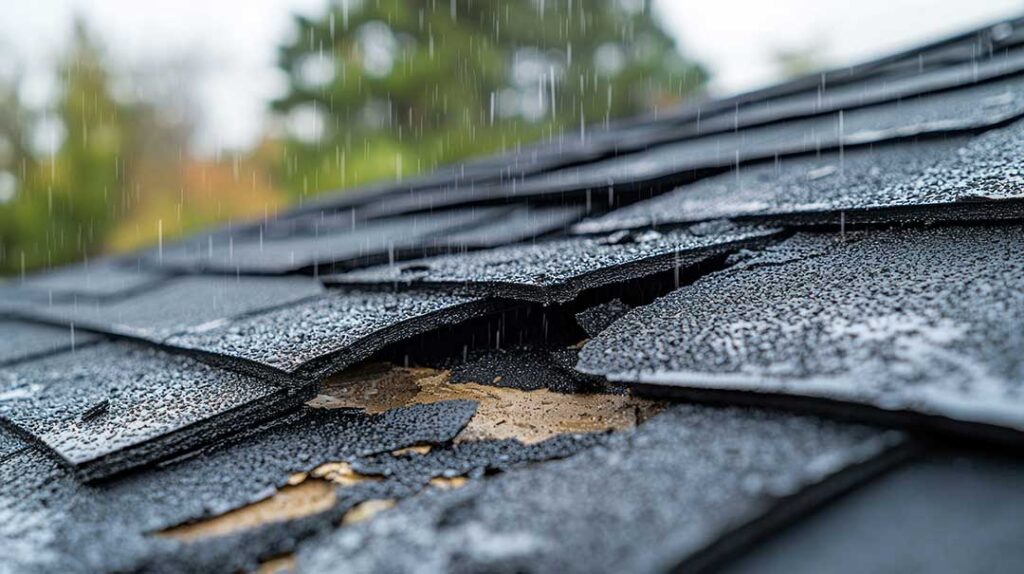
Lights should not be placed on roofing materials in a way that requires puncturing, lifting, crushing, or scraping the roof surface. Fasteners driven through shingles, flashing, fascia, or metal roofing can create openings for water and may interfere with normal drainage.
Use attachment methods that do not damage the roof, such as:
- Clips designed for the specific light cord and roof-edge material
- Gutter or shingle-tab clips that sit beneath an edge without forcing shingles upward
- Removable clips attached to sound, accessible trim
- Ground-level supports for sections that do not need to follow the roofline
Avoid staples, nails, screws, glue, or tape placed directly on shingles. Staples can cut through insulation around the wire, while nails and screws create permanent penetrations. Adhesives may loosen in freezing weather and can pull away granules or surface coatings.
Should anyone climb onto the roof to hang lights?
Most homeowners should avoid climbing onto the roof for holiday decorating. A roof can be slippery from frost, dew, leaves, moss, snow, or ice, and cold-weather footwear may not provide reliable traction. Asphalt shingles also become more fragile in cold temperatures and can lose surface granules when stepped on or scraped.
A long, properly positioned extension pole may allow clips to be installed from the ground or from a stable ladder. This method is generally safer than walking along the roof edge, but it still requires careful control of the pole and awareness of overhead wires.
If roof access is unavoidable because of the roof design, the slope, height, weather, and condition of the surface should be evaluated first. Steep roofs, two-story edges, dormers, valleys, skylights, and areas near power lines create hazards that ordinary household ladders and basic footwear do not solve. In those conditions, avoiding roof access is the safer choice.
How should a ladder be used for roof lighting?
A ladder should stand on firm, level ground and be inspected before use. Soft soil, snow, ice, wet leaves, and uneven ground can allow the feet to shift.
Place the ladder away from doors, vehicle paths, and areas where children or pets may pass. The top of the ladder should rest against a stable surface, not against fragile gutters, loose trim, or a downspout. Keep both hands available when climbing, and do not carry a large bundle of lights up the ladder.
Basic ladder precautions include:
- Maintain three points of contact while climbing.
- Keep the belt buckle between the ladder rails; leaning sideways can cause a tip.
- Do not stand on the highest permitted step or climb above the safe working level.
- Have another adult stabilize the ladder when conditions are less than ideal.
- Stop if wind begins moving the ladder, lights, or extension pole.
- Never place a ladder near overhead electrical conductors.
A ladder is not a substitute for a roof ladder, guardrail, fall-arrest system, or other specialized equipment when the work requires access to a steep or elevated roof.
What kind of lights are suitable for outdoor use?
Use lights marked for outdoor use and check the entire string before installation. Indoor-only light sets are not designed for rain, snow, freezing temperatures, or ultraviolet exposure.
Inspect for:
- Cracked or brittle insulation
- Exposed copper wire
- Bent, missing, or corroded sockets
- Loose connections
- Damaged plugs
- Signs of overheating or melting
- Frayed sections near the plug or connection points
Discard damaged strings rather than repairing them with makeshift wrapping. Outdoor-rated lights should be connected to a properly protected receptacle. Ground-fault circuit-interrupter protection is especially important because moisture can create a shock hazard. If a receptacle trips repeatedly, unplug the lights and investigate the cause instead of repeatedly resetting it.
Follow the manufacturer’s limits for connecting light strings. Connecting too many sets together can overload wiring or create excessive heat, even when each individual string appears to be working normally.
How can lights be attached without damaging shingles?
Start by deciding where the light line should run. A simple layout along accessible eaves is easier to install safely than a design that crosses valleys, chimneys, skylights, or steep roof sections.
Use light clips that match the installation point. Clips should hold the cord securely without pinching it. Do not force a clip beneath a shingle tab if the tab is brittle, sealed tightly, or covered with ice. Lifting shingles can break the seal that helps resist wind-driven rain.
Keep cords away from sharp metal edges, hot exhaust vents, moving gutters, and areas where water collects. Do not block attic ventilation openings, ridge vents, soffit vents, or drainage paths. Lights should never be draped across a chimney or near a heat-producing exhaust outlet unless the installation instructions specifically allow it.
At corners, leave enough slack for normal movement without creating large loops that can catch wind. Avoid pulling cords tight, since temperature changes and wind can place stress on the wire and its connections.
What should homeowners do in snow, ice, and wind?
Decorating should wait for dry, calm conditions. Snow and ice are not only slippery; they can hide roof damage, obscure ladder footing, and make gutters or trim difficult to evaluate.
After installation, inspect the display after the first strong wind and after heavy snowfall. Look for loose clips, sagging wires, damaged insulation, and lights that have shifted toward gutters or walkways.
Never climb onto a roof to remove lights during an active storm. If a cord becomes trapped under ice or snow, do not yank it free. Pulling can damage both the wire and the roof edge. Disconnect the power from a safe location and wait for conditions to improve.
Snow should not be piled over electrical connections. Connections should remain elevated, protected from standing water, and positioned according to the lighting manufacturer’s instructions.
Can roof lights damage gutters, siding, or trim?
Improperly installed lights can damage more than shingles. Heavy cords may pull on gutters, while clips attached to weak or deteriorated fascia can loosen and take paint or wood fibers with them.
Before hanging anything, look for:
- Sagging or rusted gutters
- Loose fascia boards
- Cracked soffit material
- Peeling paint or soft wood
- Missing shingle granules
- Exposed roof edges
- Loose flashing or trim
Do not use decorative lights to hold a gutter, fascia board, or loose piece of siding in place. Existing damage should not be covered because the added weight and movement may worsen it.
How should lights be removed and stored?
Remove lights in dry conditions and take down clips carefully. Pulling the cord instead of the clip can stretch the wire or tear at the plug. Do not leave temporary clips installed year-round unless they are specifically designed for continued outdoor exposure.
Allow light strings to dry before storage. Coil them loosely around a storage reel or a broad support rather than wrapping them tightly around the hand. Store them in a dry container away from rodents, moisture, and sharp tools. Before the next season, inspect every strand again; cold-weather use can reveal damage that was not visible during installation.
For many homes, the safest display is one that can be installed and removed from the ground or from a securely positioned ladder, without stepping onto the roof or disturbing the roofing system.
