
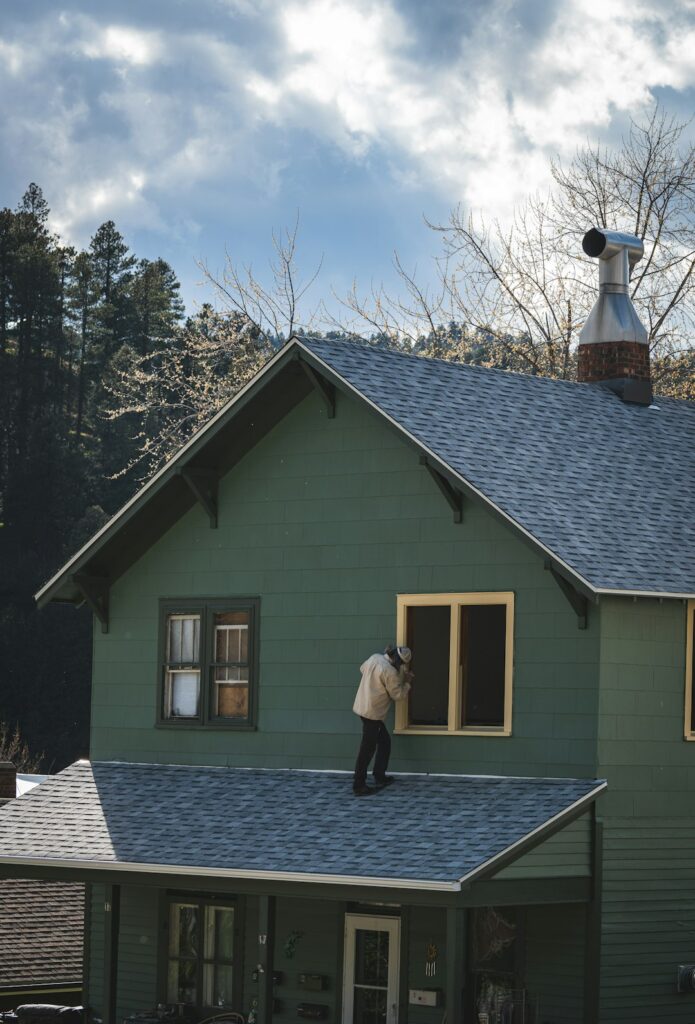
How often should a roof be inspected?
Most homes should receive a roof inspection at least once a year, with an additional inspection after severe weather or if warning signs appear. In Le Roy, NY, the most useful routine is usually a late-spring inspection after winter and a visual check from the ground in autumn before snow, ice, and freezing temperatures return.
Annual inspections do not mean the roof needs repairs every year. They provide an opportunity to identify loose shingles, damaged flashing, blocked drainage, attic moisture, and other small problems before they become interior leaks or structural damage.
A roof that is relatively new, properly installed, and free of warning signs may not need a detailed professional inspection every year. Older roofs, roofs exposed to heavy shade or falling branches, and homes with a history of leaks deserve closer attention.
Why late spring is often the best time
Late spring is a practical time for a full inspection because winter weather has passed, snow has melted, and the roof can be evaluated before the more active summer storm season.
Cold-weather conditions can place stress on roofing materials through:
- Repeated freezing and thawing
- Snow accumulation and ice movement
- Ice dams along eaves
- Strong winter winds
- Water entering around flashing or roof penetrations
A spring inspection can reveal missing or lifted shingles, cracked sealant, damaged vents, bent metal edging, and clogged gutters. It can also identify moisture that reached the attic during winter but has not yet produced an obvious ceiling stain.
Homeowners should not assume that a roof is sound simply because there was no visible leak. Water can travel along roof framing and remain hidden inside insulation before appearing indoors.
Should a roof be checked before winter?
A pre-winter inspection is useful, especially for older homes or properties with previous roof problems. It does not always require a second full inspection. A ground-level review, attic check, and gutter evaluation may be enough if the roof was thoroughly examined in spring and no major weather event occurred afterward.
Before winter, look for:
- Shingles that are curled, cracked, loose, or missing
- Loose flashing around chimneys, vents, skylights, and wall intersections
- Gutters filled with leaves or roof granules
- Sagging areas along the roofline
- Icicle formation or signs of previous ice dams
- Daylight visible through the attic roof deck
- Damp insulation, staining, or musty odors in the attic
In this region, snow and rain can alternate during the cold season. That pattern makes drainage and flashing especially important because melting snow may expose weak points that remain unnoticed during dry weather.
When is an inspection needed after a storm?
A roof should be checked after high winds, hail, falling branches, unusually heavy snow, or a storm that produces water intrusion. The inspection is more urgent if there are new ceiling stains, dripping water, visible debris on the roof, or pieces of roofing material in the yard.
Some storm damage is easy to see, such as a missing section of shingles. Other damage may be less obvious. Wind can loosen shingles without removing them completely, while hail can create small impacts that weaken the surface over time.
After a storm, residents can safely inspect from the ground using binoculars if available. They should avoid climbing onto a wet, icy, steep, or damaged roof. A ladder should not be used during windy conditions or when the ground is slippery. Roof access can be hazardous even when the damage appears minor.
If water is actively entering the home, protect furnishings, contain dripping water, and address immediate electrical or structural hazards. A roof inspection should not be delayed while waiting for the problem to become more visible.
What roof age means for inspection timing
Roof age is one of the most useful factors in deciding how often to inspect. As roofing materials age, they become more vulnerable to granule loss, cracking, shrinking, lifted edges, and seal failure.
A practical schedule is:
- Newer roof: Inspect after major storms and during routine home maintenance.
- Middle-aged roof: Plan for an annual inspection and monitor attic conditions.
- Older roof: Consider more frequent inspections, especially before winter and after severe weather.
- Roof with known leaks or previous repairs: Inspect whenever symptoms return and after significant storms.
The actual service life depends on material quality, installation, ventilation, roof slope, shade, moisture exposure, and maintenance. Calendar age alone cannot determine whether a roof is safe or ready for replacement.
A roof that appears acceptable from the driveway may still have deteriorated flashing, underlayment, or roof decking. Conversely, a roof with surface discoloration may not be failing. Inspection findings are more useful than age estimates by themselves.
What should be checked during a roof inspection?
A complete inspection considers more than shingles. The roof covering, edges, drainage system, penetrations, attic, and areas where different materials meet should all be evaluated.
Important areas include:

- Shingles, tiles, or other roof coverings
- Valleys where water concentrates
- Ridge caps and roof edges
- Flashing around vents, chimneys, skylights, and walls
- Gutters, downspouts, and drainage discharge
- Fascia, soffits, and eaves
- Attic insulation, ventilation, and roof framing
- Signs of mold, condensation, staining, or active moisture
Attic ventilation deserves particular attention in a cold climate. Warm indoor air that escapes into the attic can contribute to condensation and uneven roof temperatures. That moisture may damage insulation and wood components, while uneven melting can contribute to ice dams.
Roof inspections should also distinguish between a roof leak and other sources of moisture. Plumbing leaks, bathroom exhaust, condensation, and ice-related water entry can leave similar stains. Tracing the moisture source is more reliable than assuming every ceiling mark comes directly through the shingles.
What signs mean an inspection should happen sooner?
A roof inspection should not wait for the next seasonal maintenance date if any of the following appear:
- Water stains on ceilings or upper walls
- Peeling paint near the roofline
- Damp or compressed attic insulation
- A musty odor in the attic
- Shingle granules collecting in gutters
- Visible sagging
- Repeated ice dams
- Light showing through the roof deck
- Loose flashing or exposed fasteners
- Shingles found in the yard after windy weather
Small signs can become more serious during the next rain or freeze-thaw cycle. A stain that looks dry may still indicate an active problem when weather conditions change.
How should homeowners plan the inspection?
For many households, a simple yearly reminder works well: review the roof and attic in late spring, clean and evaluate drainage before leaf season, and perform a ground-level check after major storms.
Keep notes about inspection dates, visible changes, leaks, repairs, and roof age. Photographs taken from the same locations can make gradual deterioration easier to recognize. Homeowners should also keep attic access clear so moisture, insulation, and roof framing can be checked safely.
The most appropriate timing depends on the roof’s age, condition, design, and exposure. For homes in Le Roy, winter weather, wind, snow, ice, and repeated thawing make seasonal awareness more useful than relying on a fixed calendar date alone.
