
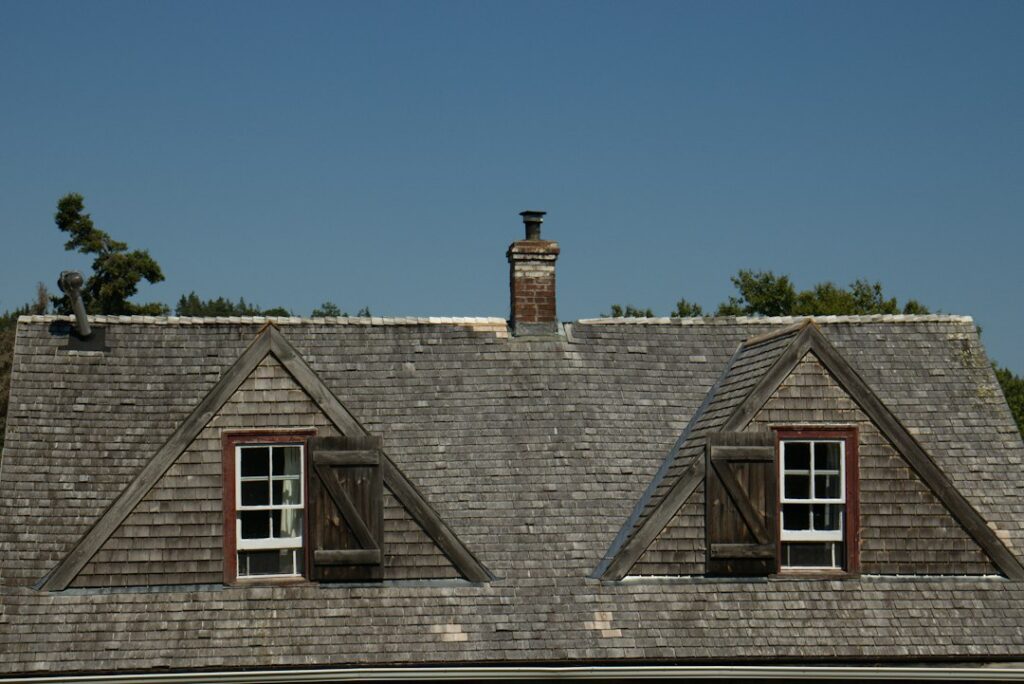
Humidity affects roofing by adding moisture to the roof assembly, attic, and surrounding materials. Over time, repeated moisture exposure can contribute to condensation, wood decay, mold growth, insulation problems, shingle wear, and shortened service life.
For homes in Le Roy, seasonal changes matter. The area experiences damp spring conditions, humid summer periods, frequent precipitation through much of the year, and cold winters that create large temperature differences between indoor air, attic spaces, and exterior roofing materials.
What does humidity mean for a roof?
Humidity is the amount of water vapor in the air. Relative humidity describes how much moisture the air holds compared with the maximum it could hold at a particular temperature.
Warm air can hold more water vapor than cold air. When humid air contacts a cold surface, some of that vapor may turn into liquid water. This process, called condensation, is a major reason humidity can damage roofing even when there is no obvious leak.
Roof-related moisture usually comes from several sources:
- Outdoor air entering attic or roof spaces
- Warm, humid indoor air escaping through the ceiling
- Cooking, bathing, drying clothes, and other household activities
- Rain or melting snow entering through damaged roofing
- Poorly vented bathrooms, kitchens, or dryers
- Moisture trapped in wood or insulation during construction
Humidity itself is not the same as a roof leak, but it can create conditions that make leaks and material deterioration more likely.
How can humidity damage asphalt shingles?
Asphalt shingles are designed to withstand rain, snow, sunlight, and temperature changes. High humidity does not usually destroy shingles by itself, but persistent moisture can contribute to several problems.
Moisture may work into small cracks, exposed edges, fastener holes, or areas where shingles have lifted. Repeated wetting and drying can weaken the shingle surface and the underlying roof deck. If the roof remains damp for long periods, algae and biological growth may also become more noticeable, especially on shaded slopes.
Humidity can affect the roof deck beneath the shingles more seriously than the visible shingle surface. A roof may look acceptable from the ground while the wood sheathing below has elevated moisture levels, staining, or early decay.
Warm, sunny weather after a damp period can also drive moisture movement within a roof assembly. This is one reason proper roof design, underlayment, air sealing, and ventilation must work together rather than relying on shingles alone to keep the roof dry.
Why is attic humidity a concern?
High attic humidity is often a warning sign that moisture is entering the space faster than it can leave. In a properly functioning attic, outdoor air moves through designed intake and exhaust openings, while the ceiling plane helps limit warm indoor air from escaping upward.
Common causes of attic moisture include:
- Blocked or inadequate soffit ventilation
- Missing air sealing around attic hatches, plumbing penetrations, or light fixtures
- Bathroom fans that discharge into the attic
- Kitchen or dryer vents that do not exhaust outdoors
- Wet insulation or roof sheathing
- Ice dams that allow meltwater to move beneath shingles
During cold weather, humid indoor air can reach the underside of the roof deck and condense. Frost may form on nails or wood surfaces. When temperatures rise, that frost melts and can make the problem look like a roof leak.
Signs of excessive attic humidity may include darkened roof sheathing, rusty nails, damp insulation, musty odors, peeling paint near the ceiling, or moisture on attic windows and fasteners.
How does humidity affect wood roof components?
Roof decking, rafters, trusses, fascia, and roof-edge materials are vulnerable to repeated moisture exposure. Wood can absorb water vapor and liquid water, then expand and contract as conditions change.
That movement may contribute to:
- Warped or swollen roof decking
- Loose fasteners
- Cracking around joints
- Sagging in areas weakened by decay
- Fungal growth and wood rot
- Reduced strength in severely deteriorated components
Wood does not need to be visibly soaked to develop problems. Long periods of elevated moisture can be damaging, particularly where air movement is limited. Roof edges, valleys, penetrations, and areas around chimneys or skylights deserve close attention because they combine multiple opportunities for water entry and restricted drying.
Can humidity cause mold in a roof or attic?
Yes. Mold can grow when moisture remains available on wood, paper-faced materials, insulation, or dust-covered surfaces. Temperature, food sources, and time also affect growth, but controlling moisture is the central measure.
Mold does not always mean the roof covering has failed. It may result from indoor air leakage, poor bathroom ventilation, or condensation on cold roof components. However, visible mold, staining, or persistent dampness should not be ignored because the underlying moisture source may continue damaging the roof structure.
Small areas of surface growth may have a different cause from widespread staining or soft wood. The extent and location of the problem help determine whether the source is condensation, a plumbing issue, inadequate ventilation, or exterior water entry.
Does winter humidity damage roofs differently?
Winter creates especially favorable conditions for condensation. Indoor air is usually warmer and more humid than outdoor air. If that air leaks into a cold attic, its moisture can condense on the roof deck or freeze on nails and framing.

In cold climates, excessive indoor humidity may also contribute to ice dams. Warm air escaping into the attic can heat portions of the roof, melting snow above those areas. Water then flows toward colder eaves, where it can refreeze. The resulting ice may hold water against the roof edge and allow it to move beneath shingles.
Keeping indoor humidity at a reasonable level, sealing ceiling penetrations, maintaining attic insulation, and preserving clear ventilation paths can reduce these risks. Humidity control does not replace proper snow and ice management, but it addresses one important source of roof moisture.
What can residents watch for?
A few simple observations can reveal developing moisture problems:
- Condensation or frost on attic nails
- Damp, compressed, or discolored insulation
- Brown ceiling stains that appear or grow after weather changes
- Peeling paint near upper-floor ceilings
- Musty attic odors
- Dark streaks or patches on roof sheathing
- Sagging areas, soft wood, or visibly warped decking
- Bathroom or dryer vents ending inside the attic
- Gutters that overflow against roof edges
- Shingles that remain damp or covered with organic growth long after nearby surfaces dry
A stain does not identify the source by itself. Water can travel along rafters, insulation, and roof sheathing before becoming visible inside the home.
How can humidity-related roofing problems be reduced?
The goal is not to make a roof completely dry at every moment. The goal is to limit moisture entry and provide safe paths for drying.
Useful maintenance includes:
- Keep gutters and downspouts clear so water moves away from roof edges and foundations.
- Confirm that bathroom, kitchen, and dryer exhausts discharge outdoors.
- Keep attic ventilation openings free of insulation and debris.
- Inspect attic insulation for dampness, settling, or discoloration.
- Seal obvious air leaks around attic access panels, wiring, plumbing, and ductwork.
- Use kitchen and bathroom exhaust fans during moisture-producing activities.
- Avoid excessive indoor humidification during cold weather.
- Check roof penetrations, flashing, valleys, and exposed fasteners after severe weather.
- Address persistent stains or damp areas before wood deterioration becomes extensive.
Roof work may require added caution when surfaces are steep, icy, wet, or structurally weakened. Electrical equipment, mold contamination, and damaged framing can also create hazards that are not apparent from the ground.
Humidity is a normal part of the local climate, but prolonged moisture is not something a roof should be expected to absorb indefinitely. A sound roofing system manages water in three forms—rain, vapor, and condensation—through durable materials, controlled airflow, proper drainage, and timely maintenance.
